
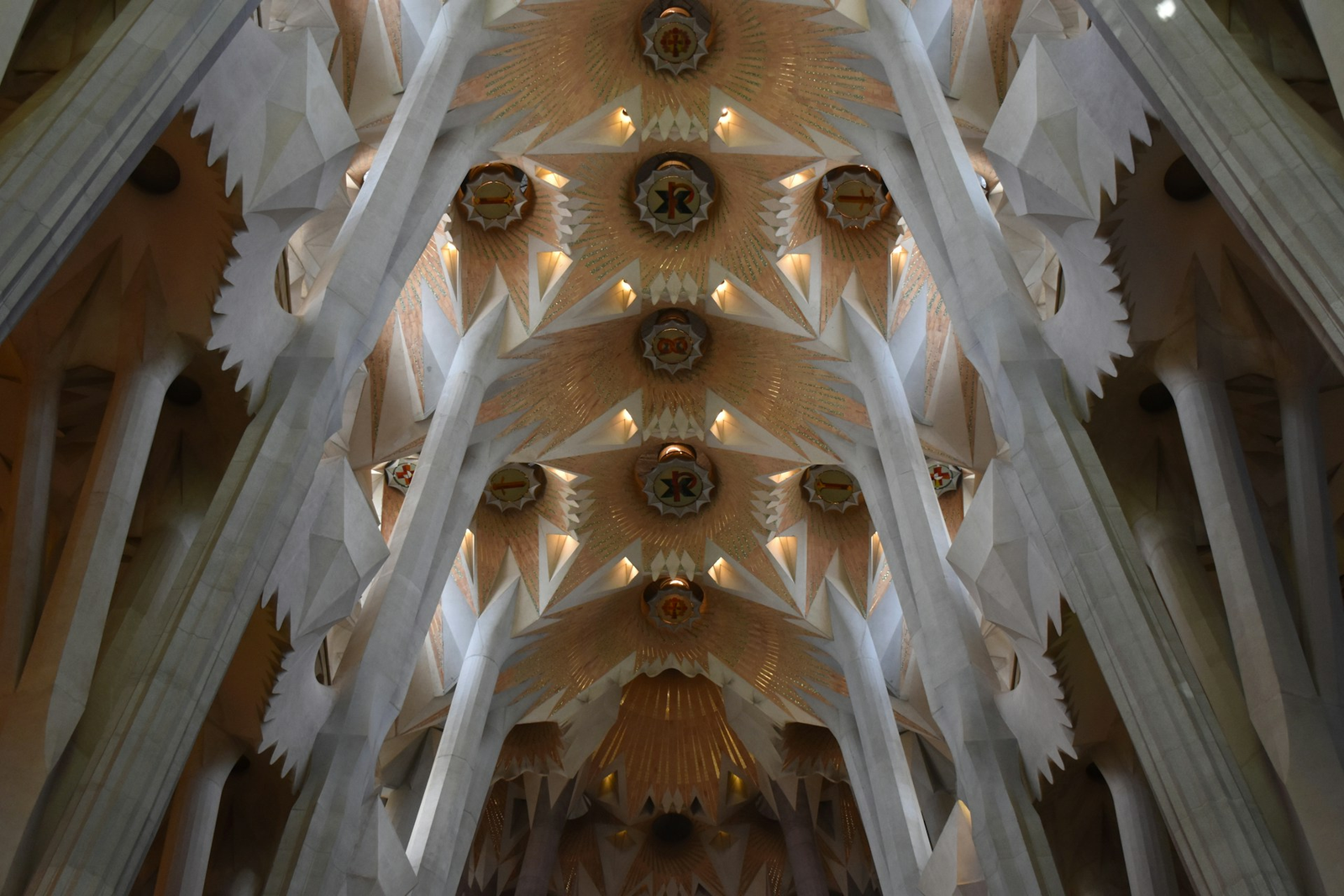
Choosing the best time to visit the Sagrada Família can completely change your experience. The basilica looks different throughout the day as sunlight moves through the colourful stained-glass windows, while crowd levels, temperatures and waiting times also vary depending on when you arrive.
Tickets & Tours
Visitors looking for a peaceful atmosphere often prefer the first entry slots, whereas photographers frequently choose the late afternoon when warm light fills the interior.
There is no single perfect moment that suits everyone. The best time to visit the Sagrada Família depends on what matters most to you. Some visitors want the quietest possible experience, others hope to see the famous coloured light at its most spectacular, while families often prefer a comfortable time that avoids both the largest crowds and the hottest hours. Understanding how the basilica changes during the day makes it much easier to choose an entry time that matches your plans.
Best Time of Day to Visit the Sagrada Família
For most visitors, the best time to visit the Sagrada Família is either early in the morning or during the late afternoon. Morning entry offers cooler temperatures, smaller crowds and a calmer atmosphere, while late afternoon transforms the interior with warm orange and red sunlight shining through the western stained-glass windows. Both options provide a very different experience from the middle of the day, when visitor numbers are usually at their highest and the light inside becomes much brighter and more neutral.
If you are visiting Barcelona for only a few days, it is worth planning your entire itinerary around your Sagrada Família entry time rather than treating it as just another attraction. Once inside, most visitors spend much longer exploring the basilica than they originally expected, especially when they also climb one of the towers or take time to admire the details of the interior. Choosing the right moment of the day and allowing enough time to enjoy your visit often makes a much bigger difference than simply selecting the first available ticket.
The table below provides a quick overview before looking at each part of the day in more detail.
09:00–11:00
Inside the basilica:
Blue and green light through the stained glass windows
Crowds: ⭐⭐⭐⭐⭐
Photography: ⭐⭐⭐⭐
Overall: Excellent
11:00–15:00
Inside the basilica:
Bright, neutral daylight
Crowds: ⭐⭐
Photography: ⭐⭐
Overall: Good
15:00–17:00
Inside the basilica:
The colours gradually become warmer
Crowds: ⭐⭐⭐
Photography: ⭐⭐⭐⭐
Overall: Very good
Late afternoon (depending on the season)
Inside the basilica:
Orange and red light through the stained glass windows
Crowds: ⭐⭐⭐
Photography: ⭐⭐⭐⭐⭐
Overall: Excellent
Morning vs Afternoon: Which Is Better?
Many travel websites simply recommend visiting either in the morning or late afternoon, but the two experiences are surprisingly different. The question is not which one is objectively better, but which one matches the type of visit you want. The changing position of the sun affects everything from the colours inside the basilica to the appearance of the façades outside, creating two completely different atmospheres within the same building.
Tickets & Tours
Why Morning Is Often the Best Choice
For many visitors, the morning offers the most comfortable experience. The first entry slots are usually quieter than the middle of the day, allowing you to move around the nave with fewer people around you. This makes it easier to appreciate Gaudí’s extraordinary architecture and gives you more space to pause beneath the soaring columns without constantly navigating through large groups.
Morning also brings cooler temperatures, which can make a noticeable difference during spring and especially summer. Visitors who have included tower access in their tickets often appreciate starting the day before the strongest afternoon heat arrives. Those considering whether the climb is worthwhile frequently find that an earlier visit feels more relaxed, particularly if they plan to spend several hours exploring both the basilica and the towers. Choosing between the two towers also becomes easier once you understand how each offers a different perspective over Barcelona, depending on the direction of the sunlight and the views you hope to enjoy. The final choice often depends on which Sagrada Família tower feels best for your visit.
Another advantage of visiting in the morning is the way sunlight enters through the eastern stained-glass windows. Blue and green tones spread across the floor and columns, creating one of the most peaceful moments of the day inside the church. Rather than flooding the space with bright white light, the colours appear cool, soft and almost dreamlike, making the atmosphere feel completely different from what you will experience later in the day.
Why Many Photographers Prefer the Late Afternoon
The late afternoon offers a completely different experience. As the sun moves westward, warm light passes through the stained-glass windows on the Passion side of the basilica. The interior gradually fills with deep shades of orange, amber and red, creating dramatic contrasts that many visitors consider the most spectacular moment of the day.
This transformation is one of the reasons why photographers often plan their visit around the late afternoon rather than simply choosing the quietest time. The colourful light constantly changes as the sun lowers, meaning the basilica can look noticeably different even within the space of half an hour. Visitors interested in capturing these colours usually spend much longer inside than expected, as every section of the church reveals new combinations of light and shadow. Understanding how the colours move through the building also helps explain why the interior of the Sagrada Família is often considered just as impressive as the famous façades surrounding it.
Late afternoon does, however, have one small disadvantage. Depending on the season, it can still be busy, particularly during school holidays and weekends. Even so, many visitors feel that the remarkable colours inside more than compensate for sharing the basilica with a few extra people, especially when photography is one of their priorities.
The Passion Façade in the Afternoon
The Passion Façade, on the western side of the basilica, comes into its own later in the day. As the afternoon progresses, sunlight illuminates the dramatic sculptures that depict the final days of Christ’s life, while the stained-glass windows fill the interior with deep shades of orange, amber and red. The result is a completely different atmosphere from the cool colours of the morning, showing how Gaudí designed the church to change naturally with the movement of the sun.
This daily transformation is one of the reasons why there is no single answer to the question of the best time to visit the Sagrada Família. Visitors interested in architecture often appreciate the softer morning light on the Nativity Façade, while photographers and those hoping to experience the famous coloured interior frequently prefer the late afternoon. Both moments are exceptional, but they highlight different aspects of the basilica.
Tickets & Tours
Best Season to Visit the Sagrada Família
Although the time of day has the greatest influence on your experience inside the basilica, the season also plays an important role. Weather, daylight hours and visitor numbers change throughout the year, affecting both the atmosphere inside and the availability of tickets.
Spring is often considered the most balanced season. Temperatures are pleasant, daylight lasts longer and Barcelona has not yet reached the busiest part of the tourist season. Morning visits are usually comfortable, while the longer afternoons allow plenty of time to experience the colourful stained-glass windows before sunset.
Summer remains one of the busiest periods. The basilica attracts visitors from around the world, and popular entry times regularly sell out well in advance. Choosing one of the earliest morning slots helps avoid both the largest crowds and the hottest part of the day. Visitors who prefer the late afternoon should remember that demand is also high during these hours, making advance planning especially important. The most popular entry times can disappear quickly, especially for visitors hoping to visit the Sagrada Família without booking tickets in advance during the busiest months.
Autumn offers conditions similar to spring. Temperatures gradually become cooler, visitor numbers begin to decrease after the summer holidays and the late afternoon light remains particularly beautiful. Many experienced travellers consider September and October among the most enjoyable months to visit Barcelona, combining pleasant weather with a more relaxed atmosphere.
Winter is generally the quietest season outside the Christmas and New Year holidays. Shorter daylight hours mean the colourful afternoon light arrives earlier, while lower visitor numbers often make it easier to obtain tickets for your preferred entry time. Although temperatures are cooler, Barcelona’s mild winters still allow comfortable sightseeing throughout the day.
Weekdays vs Weekends
Choosing the right day of the week can be almost as important as choosing the right time. Tuesdays, Wednesdays and Thursdays are often quieter than Fridays and weekends, particularly outside school holidays. While the basilica remains one of Barcelona’s busiest attractions throughout the year, visiting on a weekday usually provides a calmer experience both inside and around the entrance.
Weekends naturally attract more local visitors alongside international tourists. Entry lines can become busier, especially during the middle of the day when many travellers combine the Sagrada Família with other nearby attractions. If your schedule allows flexibility, selecting a weekday morning often provides the best balance between comfortable crowd levels and excellent lighting conditions.
Public holidays and long weekends deserve particular attention. Easter, Christmas and national holidays are among the busiest periods of the year, making early booking increasingly important. Even visitors planning to arrive first thing in the morning may find their preferred entry time unavailable if they wait until the last minute.
When Is the Quietest Time to Visit?
Visitors looking for the quietest possible experience should normally aim for one of the first entry slots shortly after opening. Early mornings generally attract fewer organised tour groups, allowing more space to admire the architecture before the basilica becomes busier later in the day.
The second quiet period often occurs during the final admission slots, although this depends on the season and closing time. While visitor numbers may decrease, you’ll have less time to explore before the basilica closes, making this option less suitable for anyone hoping to fully appreciate the interior or climb the towers.
Regardless of the season, the busiest period is usually between late morning and the middle of the afternoon. These hours remain popular because they fit easily into most sightseeing itineraries, but they rarely offer the same peaceful atmosphere as the earliest morning entries.
Tickets & Tours
Best Time to Visit the Sagrada Família for Photography
Photography enthusiasts often discover that the best time to visit the Sagrada Família depends on what they hope to capture. The exterior changes dramatically as sunlight moves across the façades, while the interior becomes almost unrecognisable between morning and late afternoon.
Morning is generally the best time for photographing the Nativity Façade and the cool blue and green light inside the basilica. The softer sunlight highlights architectural details without creating the stronger contrasts often seen around midday. Late afternoon, meanwhile, is ideal for capturing the Passion Façade and the spectacular warm colours that spread through the western side of the church. Visitors hoping to photograph both experiences on the same day should allow enough time inside, as the atmosphere gradually evolves rather than changing all at once. Knowing whether you can take photos inside the Sagrada Família before your visit also helps you make the most of these changing conditions.
Best Time to Visit with Children
Families usually benefit from avoiding the busiest hours of the day. Young children often find early mornings more comfortable because temperatures are lower and the basilica is generally less crowded. Parents also have more space to move around the central nave, making it easier to stop and admire the colourful windows without feeling rushed by larger groups of visitors.
Comfort also depends on practical preparation. Wearing appropriate clothing, carrying only what you need and planning regular breaks can make a noticeable difference during longer visits. Accessible facilities, including toilets, are available inside the complex, helping families enjoy a more relaxed experience without needing to leave the site unexpectedly. Visitors should also remember that appropriate clothing is required inside the Sagrada Família throughout the year, regardless of the season.
When Should You Book Your Tickets?
The best time to visit the Sagrada Família often depends on when tickets are still available. Early morning and late afternoon entry slots are consistently the first to sell out because they offer the most comfortable conditions and the most beautiful lighting inside the basilica. During spring, summer and holiday periods, these popular times may no longer be available just a few days before your visit.
Booking in advance gives you far more freedom to choose the entry time that best matches your itinerary instead of planning your day around whatever remains available. This is especially important if you intend to climb the towers, as tower tickets are limited and tied to specific admission times. Visitors who leave their booking until the last moment often discover that only midday slots remain, even though these are rarely considered the best time to visit the Sagrada Família.
Final Thoughts: Best Time to Visit the Sagrada Família
The best time to visit the Sagrada Família ultimately depends on the experience you are hoping to have. Early mornings offer quieter surroundings, cooler temperatures and beautiful blue and green light inside the basilica, making them ideal for visitors who value a peaceful atmosphere. Late afternoons provide an entirely different experience, with warm orange and red colours transforming the interior as sunlight passes through the western stained-glass windows.
For most travellers, combining a weekday visit with either an early morning or late afternoon entry provides the best overall experience. Planning ahead, choosing the right season and allowing enough time to fully explore the basilica can make a remarkable difference to your visit. Whether your priority is architecture, photography or simply enjoying one of Barcelona’s most extraordinary landmarks, selecting the right moment to visit is one of the easiest ways to make your experience even more memorable.
More to do in Barcelona
Planning your visit becomes easier when the main practical details are clear before you arrive. The Sagrada Família Visitor Guide brings together the most important information about tickets, timing, facilities and accessibility, while the frequently asked questions about the Sagrada Família FAQ answer common questions visitors often have before booking.